

Choosing between an electric and a hydraulic lift can have a significant impact on the comfort and accessibility of your home. Both systems differ in terms of energy consumption, noise levels, maintenance requirements and the amount of space needed. Understanding these differences will help you make the right decision.
In this comparison, we analyse the main characteristics of each technology. As manufacturers, we understand the advantages of both systems and can help you identify the solution that best suits your home.
What Is the Difference Between a Hydraulic and an Electric Lift?
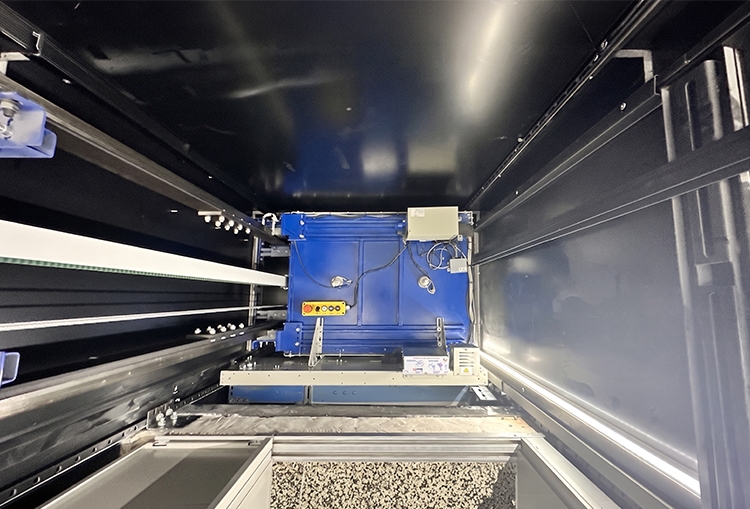
The main technical difference lies in the drive system used to move the lift car.
- Electric lift, or traction lift: It uses a motor and pulley system with ropes or traction belts. Conventional traction systems are balanced by a counterweight, although advanced solutions such as SHE-Elevator models eliminate this component to optimise the available space.
- Hydraulic lift: It operates through a pump that forces pressurised oil into a cylinder. The motor operates only during upward travel; for downward travel, a valve opens and allows the lift car to descend using gravity.
In many private homes, electric technology is one of the preferred options thanks to its energy efficiency, smooth operation and reduced maintenance requirements.
Which Type of Lift Uses Less Energy?
Energy consumption is one of the main concerns when planning this type of investment. Advances in home lift technology mean that modern systems can now achieve high levels of energy efficiency.
Nominal Power Consumption Comparison
| Feature | Electric Lift (SHE-Elevator) | Conventional Hydraulic Lift |
|---|---|---|
| Nominal power consumption | 1.5 kW, comparable to a toaster | 3.5 kW |
| Starting and stopping | Smooth, thanks to the variable frequency drive | Can be less smooth due to changes in hydraulic pressure |
| Power supply required | Standard household single-phase supply | Often requires greater available electrical capacity |
SHE-Elevator lift models consume approximately the same amount of electricity as a common household appliance. In addition, the use of VVVF variable frequency drives helps reduce power peaks while providing smoother acceleration, travel and stopping.
Advantages and Disadvantages of Electric and Hydraulic Lifts
To make the choice easier, we have summarised the main strengths of each system based on their real-world performance in private homes.
Advantages of an Electric Lift
Electric lift technology is widely used in private homes thanks to its energy efficiency and relatively low maintenance requirements.
- Lower energy consumption: Power consumption is comparable to that of a small household appliance.
- Quiet operation: The absence of hydraulic pumps and reduced mechanical vibration contribute to a high level of acoustic comfort.
- Lower maintenance requirements: There is no need for valve adjustments or regular monitoring and replacement of hydraulic fluids.
- Oil-free operation: It is a cleaner system that does not generate hydraulic oil waste or present the same risk of oil leakage.
- Greater efficiency: Thanks to VVVF technology, power is managed efficiently throughout acceleration, travel and deceleration.
Advantages of a Hydraulic Lift
Although electric technology is increasingly common in residential applications, hydraulic systems still have advantages in certain specific projects.
- Suitable for complex projects: Hydraulic lifts can be useful when the shaft has an irregular configuration or when the machinery needs to be positioned away from the lift.
- Suitable for short travel distances: In two-storey homes with occasional use, hydraulic technology can remain a practical solution.
- Efficient use of shaft space: As standard hydraulic models do not use a counterweight, they can sometimes allow a slightly wider lift car in particularly narrow shafts.
| Feature | Electric | Hydraulic |
|---|---|---|
| Energy consumption | Low | Medium |
| Noise level | Low* | Medium* |
| Maintenance | Low | High |
| Oil required | No | Yes |
| Installation | Straightforward | More complex |
| Space requirements | Highly optimised | Project dependent |
| Recommended for | Private homes | Specific applications |
*Noise levels may vary depending on the installation, acoustic insulation and the characteristics of the property.
Which System Offers Quieter Operation?
The noise level of a lift depends on several factors, including the type of installation, shaft construction materials, equipment location and the acoustic insulation of the property.
For this reason, there is no single answer that applies to every project.
Electric Lift
- The motor is installed within the lift shaft.
- Variable frequency drives allow smooth acceleration and deceleration.
- The result is a comfortable and controlled travel experience.
Hydraulic Lift
- The hydraulic power unit is normally located in a separate area.
- Noise levels depend largely on the position of the unit and the characteristics of the installation.
- A hydraulic lift can also provide comfortable operation when the project is correctly designed and installed.
In both cases, professional installation and suitable acoustic insulation are essential for achieving quiet operation and a comfortable user experience. For this reason, each project should be assessed individually before choosing one technology over another.
Is an Electric Lift More Reliable Than a Hydraulic Lift?
Mechanical simplicity plays an important role in the long-term durability of the system.
- Electric lift: It generally requires less servicing time and is not dependent on pressurised hydraulic fluids. It also avoids hydraulic oil waste, making it a cleaner and more sustainable solution.
- Hydraulic lift: It requires periodic replacement of the hydraulic oil, which must be handled and disposed of in accordance with applicable waste-management regulations. Components such as valves also require inspection, and poorly maintained systems may be at risk of oil leakage.
Choosing an electric solution can therefore mean fewer maintenance concerns over the long term and a lower environmental impact.
Which Type of Lift Is Easier to Install?
Installing a home lift does not necessarily mean undertaking a long and disruptive building project.
Modern electric lifts can simplify the installation process and minimise the impact of building work in many private homes.
- Pre-assembly: Most SHE-Elevator components are pre-assembled at the factory, significantly reducing installation time and the number of installers required on site.
- Optimised use of space: As there is no need for a machine room or counterweight, the impact on the structure of the property can be kept to a minimum.
These characteristics allow the lift to be adapted to a wide variety of homes, including properties where the available space is limited or where the existing layout presents architectural constraints.
Why Can a Lift Increase the Value of a Property?
In addition to improving mobility, a home lift enhances comfort, accessibility and the overall value of a property.
It also allows the home to adapt to the current and future needs of the family, making it a long-term investment.
We offer solutions for different spaces and requirements.
- For properties with limited space, discover our lifts for small shafts, designed to make maximum use of every available centimetre without compromising comfort.
- For those looking for a balanced everyday solution, our lifts with folding bus-style doors offer an excellent combination of design, performance and value for money.
- For users who prioritise comfort, our lifts with automatic doors provide a more convenient user experience and a refined, elegant finish.
- To ensure mobility for all users, discover our accessible lifts, designed to improve accessibility and comply with applicable safety requirements and regulations.
- And where a project requires a specific solution, we also manufacture custom-made lifts, adapted to the characteristics of each property and the individual needs of every family.
Frequently Asked Questions
Can a Lift Be Installed in an Existing Home?
Absolutely. Most of our installations are carried out in completed and occupied homes. By using pre-assembled components and systems that do not require a deep pit or an overhead machine room, building work can be kept to a minimum. This allows the lift to be integrated smoothly into the existing design of the property.
What Happens If There Is a Power Cut While I Am Inside the Lift?
Our electric lifts incorporate battery-operated emergency rescue systems. In the event of a power failure, the electronic monitoring system detects the interruption and activates a controlled movement to the nearest floor, allowing the passenger to leave the lift safely and independently.
Is Maintenance Mandatory and Expensive?
Yes. Regular maintenance is mandatory to ensure the safety and correct operation of the lift. Thanks to electric technology, servicing is generally simpler because there is no hydraulic oil to inspect or replace. This can help reduce maintenance requirements and long-term operating costs. For more detailed information about the inspections required and how often they should be carried out, see our guide to home lift maintenance.
Which Type of Lift Should You Choose?
Although both technologies can provide an effective solution depending on the characteristics of the project, the electric lift has become one of the most common choices for private homes thanks to its energy efficiency, smooth operation and reduced maintenance requirements.
If you are considering installing a lift in your home, SHE-Elevator can advise you on the solution that best suits your property, the available space and your everyday mobility needs.
