

The quality of our surroundings has a direct impact on our wellbeing. In this article, you will discover how accessibility can transform a home through professional management and coordination, turning limited spaces into homes full of autonomy.
We explore how removing architectural barriers is not only a technical improvement, but also a strategic investment in health and family comfort.This situation is representative of a broader problem: many people, especially those with physical limitations, experience a reduction in their quality of life due to a lack of accessibility in their homes.
Why do architectural barriers affect your quality of life?
Your home should be your place of refuge, but for many older people it becomes a source of isolation and dependence.
Your home should be your place of refuge, but for many older people it becomes a source of isolation and dependence.
This silent frustration occurs when you realise that architectural barriers are taking away the dignity and social participation of someone you love.
As the population ages, the need for adaptable homes becomes increasingly critical in order to prevent physical exhaustion within the family. If you do not act in time, the home environment can present the following challenges:
- Reduced mobility in the home environment: Difficulties moving around limit the use of all rooms in the house.
- Increased risk of falls and accidents: Non-adapted areas become dangerous for physical safety.
- Loss of autonomy in daily activities: Depending on others for basic tasks affects self-esteem.
- Decline in quality of life: Feeling isolated at home can take a toll on mental wellbeing.
Regaining freedom after years of avoiding the stairs
Carmen had always been active, but over time, something as simple as going up and down the stairs became a major obstacle. Little by little, it began to cut her off from everyday family life. Her story reflects the experience of many people who, after years of avoiding the stairs because of pain, fear or reduced mobility, find their world limited to just one floor of their own home.
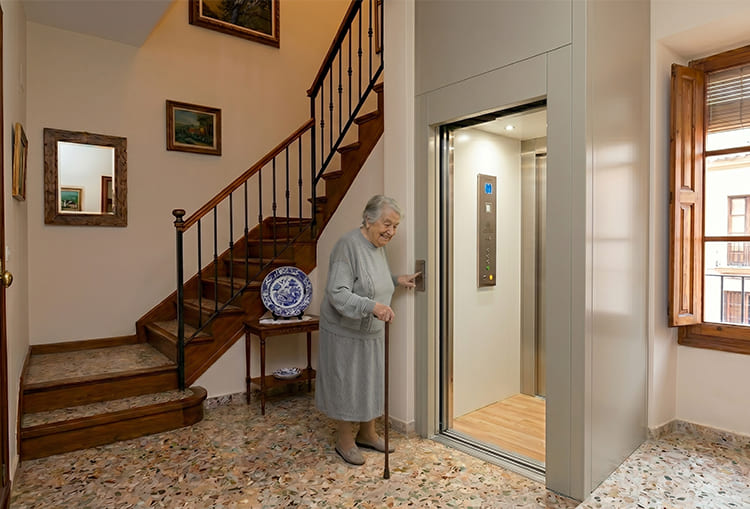
Determined to change the situation, her family decided to stop accepting these limitations and look for a professional accessibility solution. Installing a home lift was not just a minor home improvement; it was a technical solution that transformed Carmen’s day-to-day life.
Thanks to this change, Carmen regained her independence and once again became part of family life in a more active and natural way. The impact was immediate:
- Greater independence at home
- No more physical barriers between floors
- More active involvement in family life
- Improved emotional wellbeing and peace of mind at home
This change strengthened family bonds and restored a sense of balance at home, showing that accessibility is, above all, a key part of inclusion, dignity and quality of life.
Why is universal design at home a smart long-term investment?
Universal design is about creating spaces that can be used comfortably and safely by people of all ages and abilities. Investing in accessibility during the construction or renovation stage is far more cost-effective in the long term than relying on temporary fixes later on.
When a home is designed with a clear professional plan, it becomes easier for everyone to enjoy a full and independent life. Accessibility should not be seen as an expense, but as an improvement that adds value to the property and supports the wellbeing of the people living in it.
To better understand the real impact of these improvements, you can find out how installing a lift can improve accessibility in a home and increase its market value.
Which safety measures improve wellbeing at home?
Keeping the home safe is essential to reduce the risk of injury and help older people feel protected in their own space. A professional home adaptation project should include preventive measures that support independence without compromising safety.
Essential physical safety measures
To create a safer living environment, your improvement plan should include specific technical features:
- Safety supports: Installing handrails and support points in key areas of the home.
- Smoke detectors: Early warning systems that help prevent serious domestic accidents.
- Removal of level changes: Creating smooth, continuous surfaces that make it easier to move around safely.
How your surroundings affect emotional wellbeing
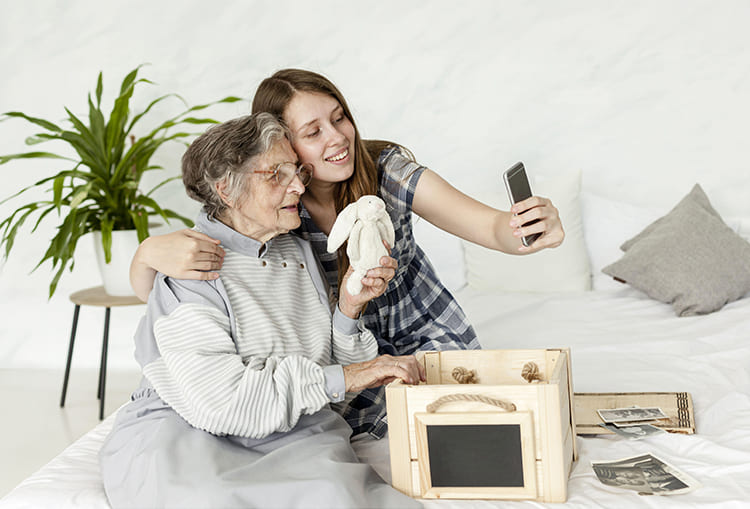
Beyond physical safety, the quality of the home environment also has a direct impact on emotional wellbeing:
- Hygiene and space: Avoiding overcrowding and keeping the home in good condition can help reduce stress and anxiety.
- Connection with the outdoors: Being close to green spaces can encourage social connection and support physical wellbeing.
How does professional project management ensure the right solution?
It is not just about carrying out building work. It is about coordinating a complete technical solution that helps restore independence, comfort and confidence at home. Professional project management turns a complex process into a controlled, predictable and stress-free experience for the family.
The specialist’s role goes beyond installation. They act as an integration expert, analysing the home, planning the project and making sure every stage meets the right safety, regulatory and practical requirements.
If you are looking for expert guidance, adapting a home for older people with solutions such as the SHE-004 adapted elevator helps ensure the project meets current accessibility and safety standards.
Frequently asked questions about accessibility
Is it worth installing a lift in a private home?
Yes. It is a smart long-term investment that can increase the value of the property and help reduce future care costs.
What are the benefits of universal design?
It makes the home easier and safer to use for everyone, regardless of age or mobility, helping people live with dignity, comfort and independence.
How does accessibility affect family life?
When an older person regains independence, pressure on carers is reduced and they can take part more naturally in everyday family routines.
Why is preventive safety so important?
Installing detectors, supports and safety barriers can significantly reduce domestic accidents, while improving peace of mind and the feeling of control at home.
The path towards a fully independent life
The González family’s experience shows that a lift is much more than a machine. It is an open door to inclusion, dignity and freedom. Removing physical barriers from your home can transform a limited space into a place full of life, comfort and independence.
Accessibility at home is also a matter of long-term wellbeing. It requires forward planning, expert guidance and a responsible approach. Choosing to adapt your home today is a way to protect your independence and continue enjoying the place where you feel most comfortable for many years to come.
We can help you design a solution that fits your home and allows you to regain independence as quickly as possible. Discover more about installing home lifts and take the first step towards turning your house into a safer, more comfortable and fully accessible home.
