

Although modern lifts are designed to be highly safe, proper use, regular maintenance, and compliance with safety regulations are essential to minimizing the risk of accidents.
In this guide, you’ll learn the key measures to improve lift safety and ensure reliable operation, particularly in homes where older adults or people with reduced mobility rely on the lift every day.
Why Is Lift Safety Essential for Independent Living?
For older adults, independence depends largely on being able to move around their home safely and comfortably. When an liftis unreliable, it becomes more than a technical issue, it can create a significant obstacle that limits daily life and increases dependence on others.
Keeping an lift in good working order helps reduce the risk of falls, entrapment, and unexpected breakdowns, giving users greater confidence every time they use it. In this way, lift safety becomes a key factor in maintaining independence at home.
Preventive maintenance also ensures consistent, reliable performance, providing peace of mind for family members who cannot always be there to help. The ultimate goal is simple: to replace uncertainty with safe, independent mobility for years to come.
How Can You Prevent Lift Accidents Through Safe Use?
Many lift-related accidents can be avoided by following a few simple safety practices. These recommendations are especially important for older adults and anyone with limited mobility.
- Never stop the doors from closing. Avoid using your hands or feet to block the doors, as obstacle detection systems may not always respond instantly, particularly in older lifts.
- Respect the maximum load capacity. Overloading an lift can trigger safety systems, cause malfunctions, and place unnecessary strain on the equipment.
- Avoid sudden movements inside the cabin. Jumping or behaving recklessly may interfere with the lift’s operation, even though modern systems are designed with multiple safety features.
- Never try to force the doors open if the lift stops. If you’re trapped, use the alarm or emergency communication system and wait for qualified assistance.
- Check the floor level before entering or exiting. Always make sure the lift car is level with the landing to reduce the risk of trips and falls.
Which Safety Technologies Help Prevent lift Accidents?
Modern lifts incorporate advanced technologies that improve user safety and enhance overall reliability. These systems help prevent accidents while making everyday use smoother and more comfortable.
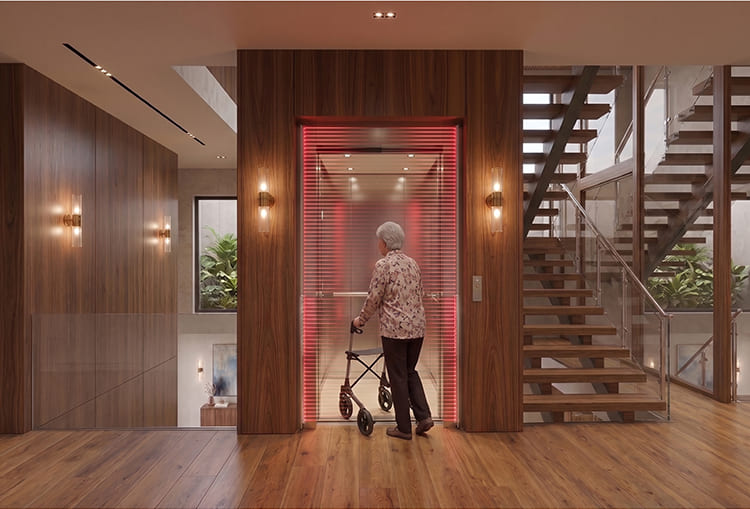
Key Lift Safety Technologies
- Infrared Light Curtains
These sensors cover the full height of the doorway, detecting people and objects, even small items such as hands, bags, or pet leashes. They help prevent impacts and entrapment while the doors are closing. - Electronic Load Weighing Systems
These systems prevent the lift from operating when its maximum weight capacity is exceeded, alerting users with a warning signal. They also protect the lift mechanism from excessive wear. - Gearless Machines with Variable Frequency Drives (VFDs)
These advanced drive systems provide smooth operation and extremely accurate floor leveling. Improved leveling enhances accessibility and significantly reduces the risk of trips when entering or leaving the lift.
Which Regulations Help Improve Lift Safety?
Safety regulations do more than establish legal requirements, they help protect users by ensuring lifts are regularly inspected and maintained. Understanding the regulations that apply to residential lifts is essential for responsible property management.
It’s important to ensure that your lift complies with current safety standards, which cover areas such as safe access to the shaft, maintenance procedures, and protection systems designed to reduce both human error and technical failures.
In Spain, the ITC AEM 1 regulation introduces new requirements aimed at improving the safety of existing lifts, particularly through upgrades to critical components and protective devices.
Equally important is following the recommended maintenance schedule based on how frequently the lift is used, as routine servicing helps prevent failures caused by normal wear and tear.
Essential Safety Checklist
- Ensure the lift complies with current residential elevator safety regulations.
- Install appropriate safety measures for lift access points and critical components.
- Regularly inspect essential safety devices, including brakes and speed governors.
- Adjust maintenance frequency according to how heavily the lift is used to reduce the risk of breakdowns and accidents.
Common Lift Hazards and How to Prevent Them
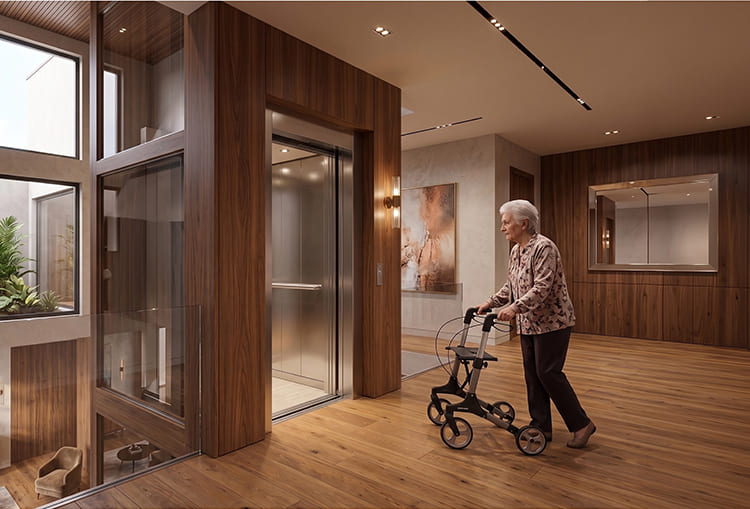
Lift accidents are relatively uncommon, but understanding the most common risks is the best way to prevent them. Today’s residential elevators are equipped with multiple active safety systems that, combined with regular maintenance and responsible use, provide reliable and safe operation.
Most Common LiftAccidents
- Finger and hand entrapment: This can occur when hands are placed near moving parts or when doors close on lifts without modern safety sensors.
- Trips and falls: These accidents may happen if there is a difference in height between the lift car and the landing.
- Impact with closing doors: People may be struck by the doors if they attempt to enter after the closing cycle has begun.
- Entrapment of clothing or personal belongings: Items such as backpacks, scarves, loose clothing, or pet leashes can become caught in the doors if they extend outside the cabin.
How to Reduce These Risks
- Never try to stop the doors from closing with your hands or any object.
- Always check that the lift is level with the floor before entering or exiting.
- Allow the doors to complete their opening and closing cycle without interference.
- Make sure clothing, bags, and straps are fully inside the lift before it starts moving.
- Schedule regular maintenance and modernize older lifts with current safety technologies whenever possible.
- If you notice unusual noises, vibrations, or leveling issues, stop using the lift and contact your maintenance provider for an inspection.
Frequently Asked Questions
What Should You Do If Someone Gets Trapped in an Lift?
Stay calm and use the emergency alarm or communication system inside the cabin to contact assistance. Never attempt to force the doors open or exit the lift without professional help. Wait for qualified technicians to carry out the rescue.
Should Children Use an Elevator Without Adult Supervision?
Young children should not use an lift alone. They should be taught how to use it safely and understand that playing inside or around the lift can create unnecessary risks.
What Should I Do If the Lift Makes Unusual Noises?
If you notice abnormal sounds, vibrations, or irregular operation, avoid using the lift if possible and contact your maintenance company. Prompt inspections can prevent more serious faults and help maintain safe operation.
Who Is Qualified to Rescue Someone Trapped in an Lift?
Only trained lift technicians, or emergency services when necessary, should perform a rescue. Attempting to free someone without the proper expertise can significantly increase the risk of injury.
Are Modern Elevators Safer Than Older Models?
Yes. Modern lifts include advanced safety features such as full-height infrared light curtains, more precise leveling systems, and improved electronic controls that enhance passenger protection. In many cases, older lifts can also be upgraded with these technologies.
How Often Should a Residential Lift Be Serviced?
Maintenance frequency depends on local regulations and the type of lift installation. Regular servicing by qualified professionals is essential for ensuring safe operation, identifying potential issues early, and extending the lifespan of the equipment.
Prevention Is the Best Way to Stay Safe
Knowing how to prevent lift accidents is the first step toward safer everyday use. A combination of regular maintenance, advanced safety technology, and responsible operation helps ensure reliable performance while minimizing risk.
Routine inspections and timely upgrades not only improve safety but also provide reassurance for users and their families.
If you’re considering installing a home lift, our team can help you find the solution that best suits your property. We’ll advise you on the best options to enhance safety, accessibility, and everyday comfort.
